

Electronic Music Overview
Electronic music is a diverse genre and style of music characterized by the use of electronic musical instruments. These instruments, ranging from keyboards and synthesizers to voice boxes, produce sounds solely from electronic sources, setting them apart from traditional acoustic instruments. By manipulating electronic signals, artists create a wide range of sonic textures and effects, allowing for limitless possibilities in sound design and composition. Electronic music encompasses various subgenres, such as techno, Lo-Fi, house, dubstep, trance, and many more, each with its distinct characteristics and influences. Electronic music remains a constantly evolving art form from the continuous advancements in technology.
Interview with Eliot Krimsky
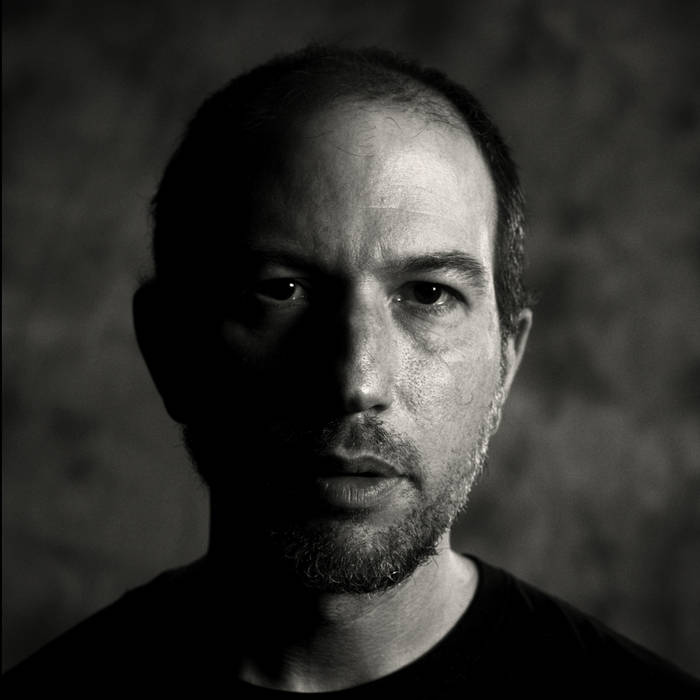
Q&A with Eliot Krimsky
1. What age were you introduced to music?
When I was about 5 or 6, my parents bought me a white upright piano and I started taking lessons. My teacher taught me classical pieces by ear and we would make up stories and put music to them. We did a lot of improvisation at an early age.
2. Were/are any of your family members musicians?
My dad played guitar throughout my life. He loved folk music. He’d always play and sing Woody Guthrie and Bob Dylan. I have cousins in Russia who are classical composers and performers. One of my relatives, Salim Krimsky, was a classical composer, he just passed away at 91.
3. What was music like for you growing up?
It was fun! When I was 9 or 10 I was introduced to the blues scale and it immediately clicked. The blues felt cathartic and emotional to me and that was my way into practicing. Once I discovered a personal relationship to music I started practicing more on my own.
4. Do you remember the first time you saw a live musical performance?
When I was 12 years old my dad took me to the Newport Jazz festival. I saw my heroes like BB King, Dr. John, Wayne Shorter, Herbie Hancock and Ray Charles perform. It was absolutely incredible!
5. What was your first gig/performance like?
I played a lot of gigs in high school through my jazz band and music, but my first “real” gig was senior year in high school at the House of Blues. A band I was playing was doing an opening set. I remember it being exciting because it felt very professional.
6. What instrument/s do you play? What’s your main instrument?
I mainly play piano and synth but I also sing and play a little bass.
7. What made you want to learn multiple instruments?
I mostly want to learn multiple instruments so I can record them and include more sounds into my compositions.
8. What genres do you compose and play?
I tend to make music that is a mix of different genres. These days it’s a mix of electronic, jazz, experimental, and minimal music.
9. Can you explain what you like particularly about each genre?
Electronic and experimental – I love exploring all of the sonic possibilities with sampling and synthesis. It’s a very creative and exciting space.
Jazz– I love the amazing lineage. Improvisation has always been a huge part of my own music.
10. How has exploring more genres helped you grow as an artist and musician?
The way I see it being a good musician is about being open. Exploring different genres keeps you open to different experiences and musical ideas.
11. What music software do you use for electronic music?
Pro Tools and Ableton.
12. What led you to decide to dedicate your career to music?
I’m not sure if it was even a decision. I knew I wanted to be a musician at an early age. I fell in love with composing in college and I kept at it.
My Composition:
Here is a composition that I created with the guidance of Eliot Krimsky. We worked on this song for months, constantly adjusting certain sounds, adding effects, creating our own sounds, and learning new methods of composing electronically. Overall, my takeaway from making this song, is that electronic music can be an extremely tedious process and can take hours to just find/create the right drum sound. However, with this tedium, comes artistry and endless amounts of musical creativity, which despite the length of time it takes to compose without boundaries, is an extremely fun process and is ultimately rewarding.
 Zach's Music Notebook